
03 Feb Which bird has the best beak?
Year 6 have been investigating evolution and adaptation through an exciting, hands-on science experiment inspired by Charles Darwin’s famous studies of birds.
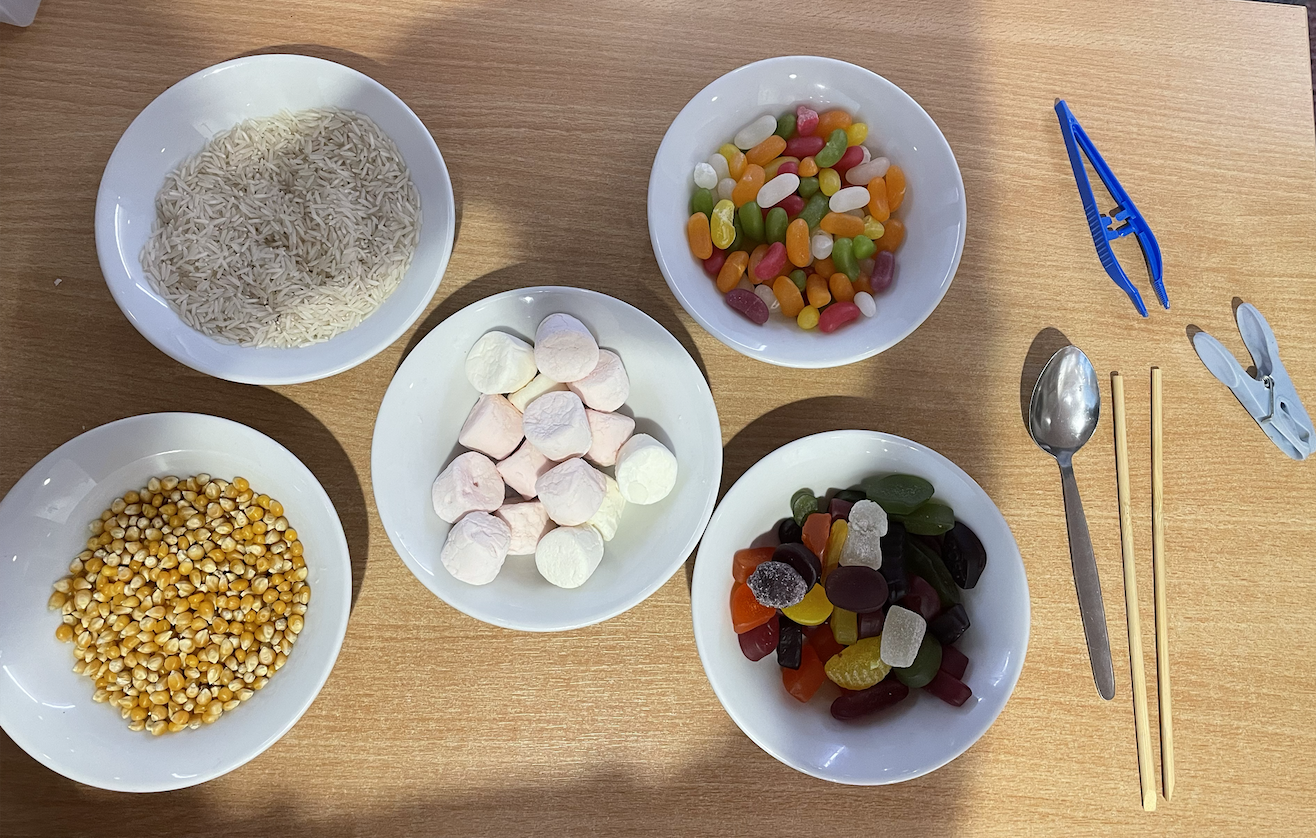
The children explored how different birds are adapted to different types of food by using a range of tools to represent beaks, such as tweezers, spoons and pegs. Each “beak” was tested on different food sources, including seeds, rice and larger items like marshmallows, to see which was most effective. Pupils carefully recorded their results and discussed why some beaks were better suited to certain foods than others.
This experiment links closely to Darwin’s observations of finches on the Galapagos Islands, where he noticed that birds with different beak shapes were adapted to eat different types of food. These ideas helped form his theory of evolution by natural selection. The children were fascinated to discover how small differences in physical features can help animals survive in different environments.
Most importantly, the children have been having a lot of fun while learning! There has been great excitement, teamwork and curiosity as they tested their “beaks,” compared results and debated which birds would survive best in different habitats.
Year 6 have shown fantastic scientific thinking, and it has been wonderful to see such enthusiasm for learning about how living things evolve over time.